Mediaartists.org is no longer available here. Please visit tribecafilminstitute.org/login instead.
Da Vinci’s World: Where Art Meets Technology
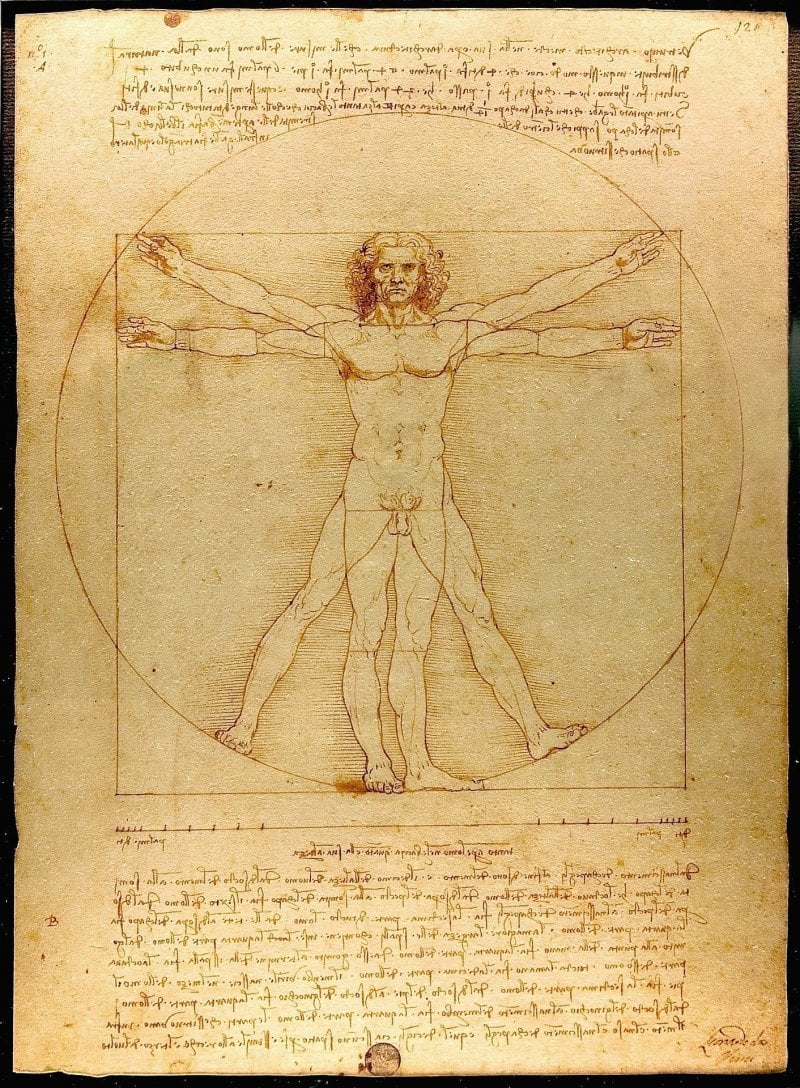
For most people, art and technology occupy opposite ends of the vast spectrum of human endeavor. After all, creativity and imagination (art) are said to reside on the right side of the brain. In contrast, logic, mathematics, and linear thinking (technology) are said to be on the left. Yet throughout history, art and technology are often found complementing each other. In fact, many of history’s most celebrated artists were also scientists and vice versa. This was especially the case during the Italian Renaissance, a period of roughly 300 years that began in the mid-14th century.
Da Vinci; the Ultimate Polymath
No single individual epitomizes the Italian Renaissance more than Leonardo da Vinci (1452 to 1519). Along with being a highly-accomplished scientist, engineer, mathematician, and theorist, this remarkable native of Florence was also a prolific painter and sculptor. He is still remembered as the ultimate ‘polymath,’ meaning someone whose knowledge spans a wide range of subjects and disciplines. Da Vinci successfully merged art and technology by using cutting-edge scientific principles to create many of today’s most iconic pieces of artwork, not least of which is the world-famous ‘Mona Lisa.’
Art and Technology in the 21st Century
This website features copious material on the interconnectedness between art and technology, from ancient times to the tech-driven world of today. The numerous articles featured here are sure to inspire anyone with interest in these two complementary subjects, be they artists, scientists, or aspiring polymaths.